
Common Home EV Charger Issues in the UAE and How to Fix Them
Home EV Charger Issues are becoming increasingly common in the UAE as more residents invest in electric vehicle chargers for villas, apartments, and gated communities. With the UAE’s EV market expanding rapidly – experiencing more than 30% year-on-year growth – home charging has become the primary method for powering electric cars.
Drivers rely heavily on AC EV Charger systems, typically ranging from 7 kW to 22 kW, to meet daily mobility needs.
However, even the best home EV charger setups may face technical challenges due to climate conditions, installation errors, or grid limitations.
Why Home EV Charger Issues Occur in the UAE
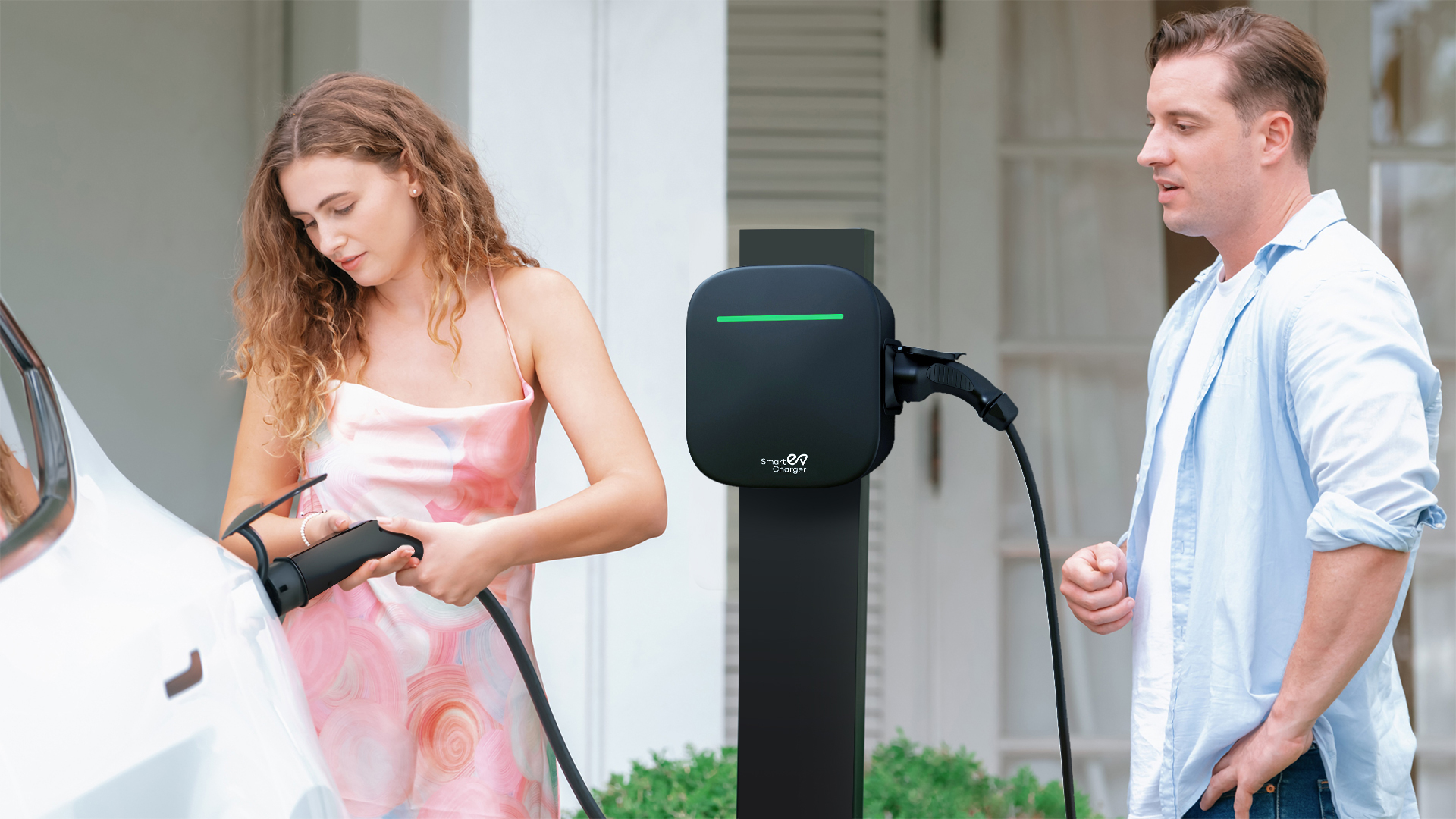
Before exploring specific problems, it is important to understand the environmental and electrical factors unique to the UAE that contribute to home charging challenges.
Extreme Heat and Outdoor Installation Conditions
Electric car charger units installed outside villas are exposed to high temperatures that can exceed 45–50°C during summer. This may cause derating, reduced charging power, or temporary shutdowns to protect the charger.
Voltage Fluctuations in Residential Areas
Some home networks experience voltage dips when heavy appliances operate simultaneously. An AC EV Charger drawing constant load may be affected by these fluctuations, leading to slower charging speeds or auto-interruptions.
Improper Electrical Infrastructure Setup
Incorrect cable ratings, undersized MCBs, or lack of dedicated circuits are common mistakes during home EV charger installations. These faults can cause overheating, charger error codes, or poor charging performance.
Using Non-Certified or Low-Quality Chargers
A Certified EV Charger ensures compliance with UAE safety standards. Non-certified chargers may overheat, malfunction, or fail prematurely due to lack of testing.
Multiple Home Appliances Running at Peak Load
Air conditioners, pumps, and kitchen equipment running simultaneously share electrical load with the home EV charger, sometimes causing breakers to trip or charging to slow down.
Common Home EV Charger Issues and How to Fix Them
As awareness grows about electric vehicle chargers and their maintenance requirements, it becomes essential to understand the most common challenges users face.
Below are the top issues UAE EV owners encounter – along with clear, practical solutions.
1. Slow Charging or Reduced Charging Speed
Why It Happens
Slow charging is one of the most common Home EV Charger Issues in UAE households. It may occur due to voltage fluctuations, extremely hot weather, incorrect charging settings, degraded wiring, or using lower power ratings such as 7kW instead of 22kW. Additionally, some vehicles limit their own charging rate based on battery temperature.
How to Fix It
Check the charger’s power rating and ensure your home’s electrical circuit supports the required load. Reduce simultaneous heavy appliance usage. Use scheduled charging during cooler evening hours. For persistent issues, ask an electrician to evaluate wiring thickness and breaker capacity.
2. Charger Not Turning On or Failing to Start Charging
Why It Happens
This issue usually occurs because of tripped breakers, faulty connections, moisture exposure, or improper wall socket wiring. In UAE homes, dust accumulation in outdoor installations or incorrect MCB ratings can also prevent a home EV charger from activating.
How to Fix It
Ensure the MCB hasn’t tripped. Inspect wiring for visible damage. Check if the charger’s LED indicators show fault codes. Resetting the unit can help, but if the issue continues, seek support from a home EV charger supplier or certified technician
3. Frequent Charging Interruptions During the Session
Why It Happens
Charging interruptions often occur because the EV’s onboard battery management system detects overheating, voltage drops, or cable temperature issues. In the UAE, high outdoor heat can trigger safety protections in electric vehicle chargers during summer months.
How to Fix It
Charge during early morning or evening when temperatures are lower. Ensure the charger has proper ventilation. Check the EV’s charging port for dust or loose connections. If interruptions persist, you may need a unit with better heat tolerance.
4. Breaker Tripping or Electrical Overload
Why It Happens
Because an AC EV Charger draws consistent power, older home electrical systems may not support the load. Tripping occurs when the circuit is undersized or when too many appliances operate simultaneously.
How to Fix It
Upgrade to a dedicated circuit with the correct breaker size. Ensure the wiring gauge matches the charger’s power requirement. Avoid using chargers on shared circuits with appliances like ovens or air conditioners.
5. Overheating of Charger or Charging Cable
Why It Happens
Overheating can result from poor installation, improper cable thickness, exposure to sunlight, or high ambient temperatures. Some chargers automatically reduce power when internal temperatures rise too high.
How to Fix It
Install the charger in a shaded area. Inspect cables for signs of wear. Ensure proper airflow around the charger. If overheating continues, consider upgrading to a Certified EV Charger designed for UAE temperature conditions.
6. Error Codes Appearing on the Charger or App
Why It Happens
Smart chargers display error codes related to communication issues, ground faults, temperature alerts, or EV-side problems. Some error codes are related to outdated firmware.
How to Fix It
Check the user manual for code meanings. Restart the charger. Update firmware via the app. If errors persist, contact support for diagnostics or inspection.
7. Charging Session Not Completing Fully
Why It Happens
If the EV stops charging before reaching 100%, the issue may stem from battery temperature, energy-saving settings, or protective shutdowns triggered by the charger.
How to Fix It
Disable battery protection settings temporarily. Charge when temperatures are lower. Ensure the connector is fully inserted and clean.
8. Connectivity Issues With Smart Chargers
Why It Happens
Wi-Fi signal loss, app malfunctioning, or router limitations can cause smart charger connectivity issues.
How to Fix It
Place the router closer or use a booster. Reset the app and reconnect the charger. Ensure firmware updates are installed.
Install Home EV Chargers That Are Reliable, Safe & UAE-Ready
As EV adoption grows across the UAE, choosing certified, durable home chargers is essential for safe and consistent daily use. Understanding common Home EV Charger Issues – like voltage fluctuations, outdoor heat, and charging limitations – helps ensure reliable performance at all times.
We deliver home ev charging solutions built for UAE conditions, offering 7 kW–22 kW AC chargers with strong compliance, smart features, expert installation support, and an extendable 3-year warranty. Designed for long-term reliability, our chargers give homeowners confidence and convenience every day.
Ready to upgrade your home charging?
Contact us for expert installation and guidance.
Explore high-quality AC home chargers designed for UAE homes.

