
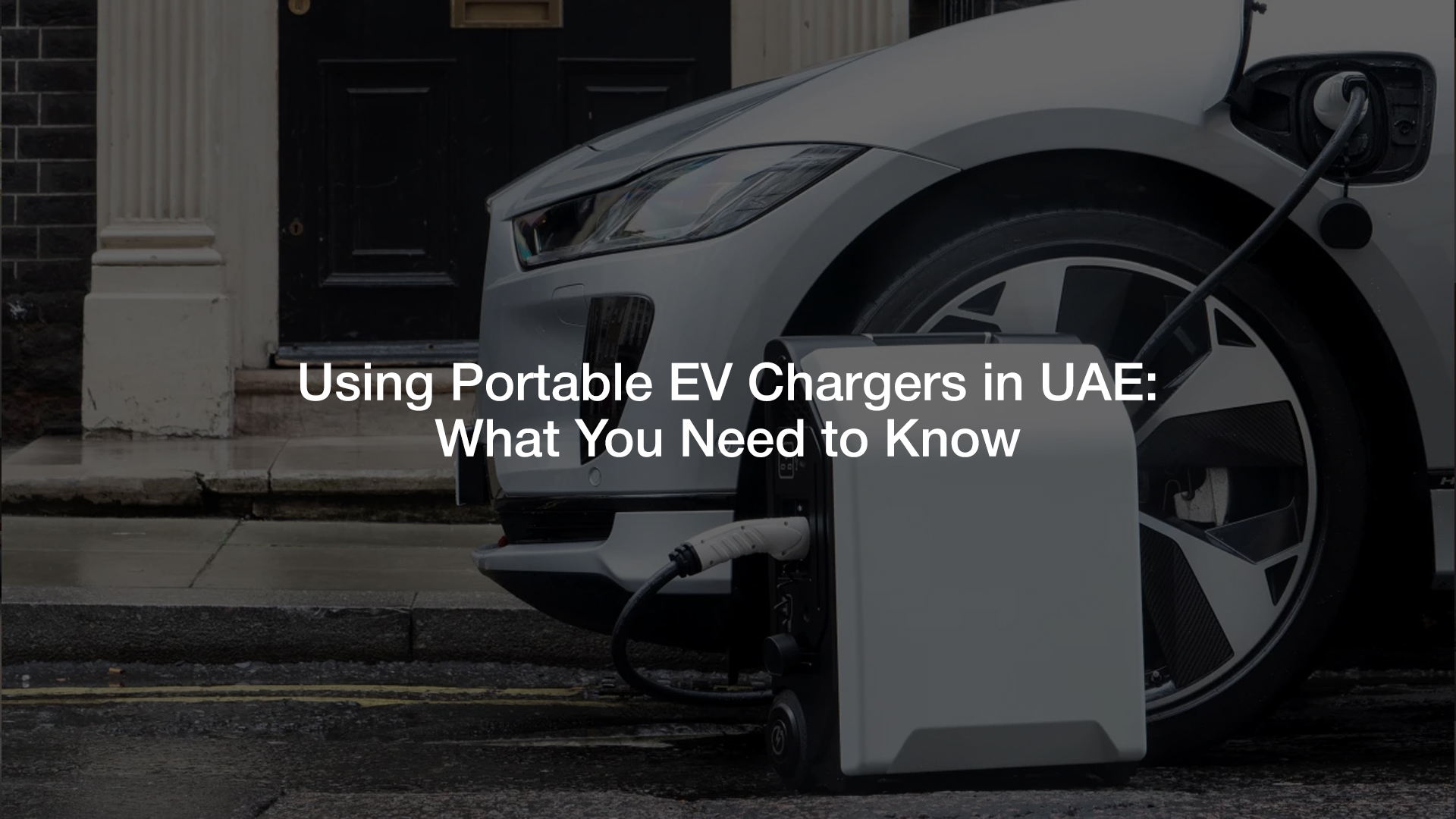
Using Portable EV Chargers in UAE: What You Need to Know
Portable EV Chargers in UAE are gaining rapid popularity as residents look for flexible and accessible ways to power electric vehicles amidst the country’s fast-growing EV adoption. The UAE recorded one of the highest regional growth rates in electric vehicle chargers in 2024, with more home users seeking reliable backup charging solutions.
While fixed AC chargers remain the standard for residential use, portable chargers offer a convenient alternative during travel, emergencies, and situations where traditional installation may not be possible.
As more EV owners explore these options, understanding how portable chargers work and what safety standards apply – especially regarding Approved EV Charger regulations – becomes essential.
Why Portable EV Chargers Are Becoming Popular in the UAE
Before discussing how portable chargers work, it is important to understand why their demand is rising in the region.
1. Increasing EV Adoption Across the Country
With the UAE government investing heavily in electric mobility, the number of EV owners has increased significantly. Many new EV drivers seek charging solutions beyond public stations and home installations, making portable chargers a convenient supplement.
2. Flexibility for Travel and Long-Distance Driving
Portable electric vehicle chargers are especially useful during inter-emirate travel or when driving to remote areas where public charging infrastructure may be limited. A portable charger provides peace of mind for unexpected situations.
3. Backup Charging During Installation Delays
Some users experience delays in EV charger installation in UAE due to building regulations, approvals, or electrical upgrade requirements. Portable chargers bridge this gap temporarily.
4. Suitable for Renters and Temporary Residents
Since many UAE properties are rented, tenants may not wish to invest in permanent EV charging solutions. Portable chargers offer a practical alternative without structural modifications.
5. Affordability Compared to Fixed Installations
While not a substitute for high-power AC or DC fast chargers, portable chargers are cost-efficient and require no installation, making them ideal for budget-conscious EV owners.
How Portable EV Chargers in UAE Work
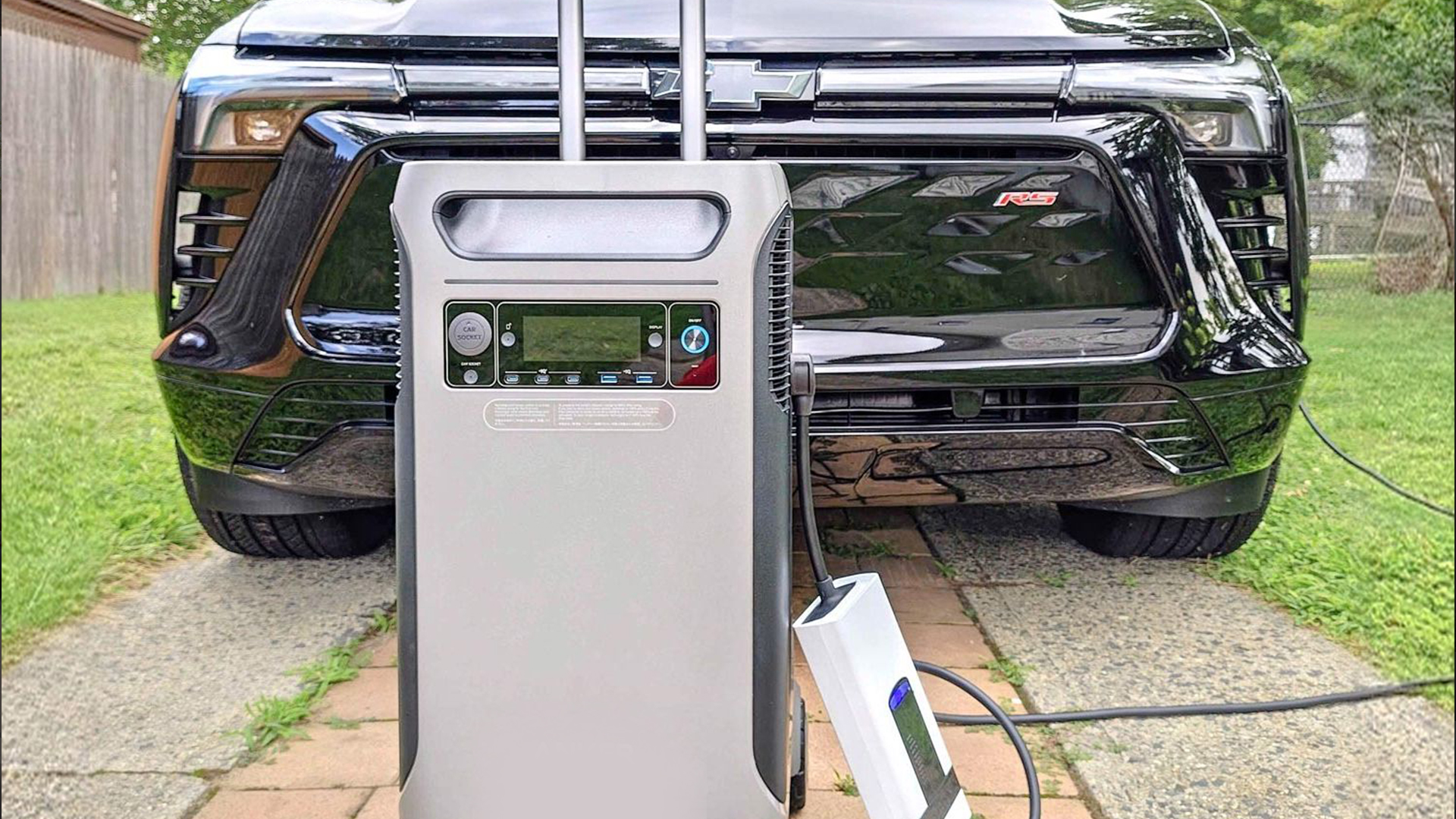
Portable EV chargers in UAE serve as compact charging devices that plug into standard electrical outlets or industrial sockets, allowing slow to moderate charging based on available power.
They are designed to offer flexibility for UAE residents who may need alternative or temporary EV charging solutions at home, work, or during travel.
Their simplicity, portability, and compatibility make them a useful supplementary option to fixed charging installations.
1. Plug-and-Play Convenience
Unlike fixed chargers that require professional installation, portable chargers simply plug into a power source. Their simplicity makes them attractive for users who want mobility and ease of use.
This convenience is especially valuable for renters, short-term residents, or those awaiting permanent charger installation approvals.
Because no special wiring is required, drivers can charge from various locations, making them ideal for on-the-go flexibility or emergency backup situations.
2. Adjustable Power Settings
Many portable chargers allow users to switch between multiple amperage levels. This is useful for managing load on household circuits, especially in older villas or apartments.
Adjustable settings help prevent breaker trips while offering controlled charging power depending on grid conditions.
This flexibility allows EV owners to adapt charging speeds based on available electrical capacity, making portable chargers safer and more compatible with diverse home setups across the UAE.
3. Built-In Safety Mechanisms
Quality Approved EV Charger devices include protections against overheating, overload, short circuits, and voltage drops.
This is essential for UAE’s hot climate. Advanced sensors and internal thermal management systems automatically adjust charging speed or shut down the device if unsafe conditions arise.
These built-in safeguards minimize risks when plugging into different outlets and provide peace of mind for users who rely on portable chargers during travel or in shared parking environments.
4. Compatibility With Multiple EV Brands
Portable chargers often come with Type 2 connectors compatible with the majority of electric car models used in the UAE.
This universal compatibility ensures drivers can charge different brands without requiring additional adapters.
Since the UAE continues to welcome a wide range of EV manufacturers, having a portable charger that works across various models—Tesla, BMW, Mercedes, BYD, Hyundai, or Nissan—adds convenience and avoids future compatibility concerns.
5. Charging Speed Depends on Socket Power
Portable chargers cannot match the speed of fixed AC installations. For example:
– A 2.3kW portable charger may take 10–20 hours for a full charge.
– A 7kW AC wall charger can charge much faster.
Understanding this difference helps set accurate expectations. Portable chargers are designed for slow, steady charging rather than rapid energy delivery. Their speed is heavily influenced by the quality, amperage, and stability of the available socket, making them best suited for occasional use or overnight charging.
Benefits of Using Portable EV Chargers in UAE
Now that we understand how portable chargers work, let’s explore why they are useful for UAE EV owners.
1) Reliable Backup When Standard Chargers Are Unavailable
Portable chargers become essential when traditional electric car charger options are temporarily inaccessible.
For example, villa maintenance, building power outages, or blocked parking bays can restrict access to fixed chargers. A portable unit ensures uninterrupted mobility.
It offers immediate charging support without needing technical setup, making it an ideal backup tool. This reliability is particularly valuable for households that depend on daily driving.
2) Perfect for Long Road Trips and Outdoor Adventures
Drivers traveling from Dubai to Fujairah, Al Ain, or rural desert spots benefit from portable chargers. Even though charging may be slower, having an emergency backup ensures peace of mind.
Portable chargers add confidence for remote areas where public EV stations are limited. They also allow drivers to safely handle unexpected detours or delays during long-distance trips.
3) Cost-Effective Alternative to Premature Installation
Some EV owners wish to delay full installation until relocation or villa upgrades are complete. In such cases, portable EV chargers provide an affordable temporary solution. They reduce the need for immediate investment in electrical work or installation services.
This flexibility helps EV owners manage their budget while still maintaining convenient access to charging.
4) Useful for Multi-Vehicle Homes and Shared Parking Spaces
Families with more than one EV sometimes struggle with charging schedules. A portable charger provides additional flexibility without requiring extra installation. It acts as a secondary charging option when the main charger is occupied.
This is especially beneficial for villas or apartments where installing multiple fixed chargers is impractical.
5) Convenient for Rental Homes With No Charging Infrastructure
Tenants often face restrictions with electrical upgrades. Portable chargers eliminate the need for wall modifications or landlord approvals. They allow renters to charge their EVs without altering the property in any way.
This convenience makes portable chargers a preferred solution for short-term residents or frequent movers in the UAE.
Safety Guidelines When Using Portable EV Chargers in UAE
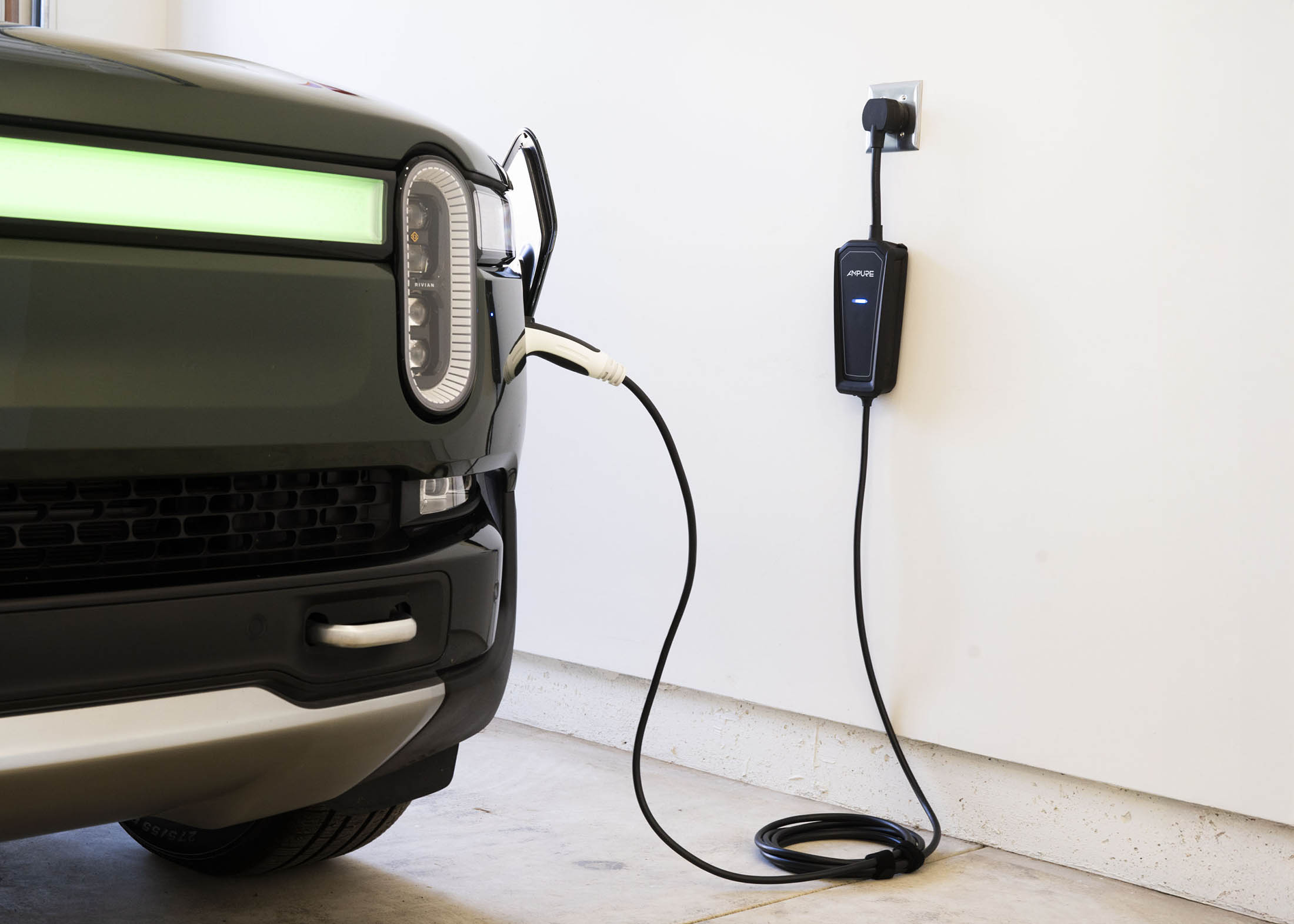
Due to the UAE’s climate and electrical regulations, safety considerations are critical.
Extreme heat, shifting humidity levels, and fluctuating residential electrical loads make it essential for EV owners to follow proper charging practices.
These precautions help prevent damage to chargers, sockets, and vehicles while ensuring safer charging sessions at home or on the go.
1) Use Only Approved EV Charger Devices
Certified devices ensure protection against electrical hazards, which is vital given rising temperatures and humidity. Approved chargers are tested to handle voltage fluctuations and overheating risks more effectively than uncertified alternatives.
They also comply with UAE safety standards, reducing the likelihood of failures during long charging sessions. Choosing certified equipment guarantees safer and more reliable charging performance.
2) Avoid Prolonged Use in Direct Sunlight
High heat may cause automatic throttling or shutdown. Portable chargers placed in direct sunlight can experience excessive temperature buildup, stressing internal components.
Over time, repeated exposure may reduce charger lifespan or affect cable insulation. Charging in shaded environments ensures stable performance and minimizes the risk of heat-induced malfunctions.
3) Ensure Socket Rating Matches the Charger Load
Never use damaged or low-quality extension cables. Charging on sockets that cannot handle the required amperage can lead to overheating, sparks, or breaker trips.
Always confirm that the outlet is grounded and in good condition before plugging in. Using proper electrical infrastructure prevents common safety hazards associated with portable charging.
4) Monitor Charging Frequently
Portable chargers lack advanced cooling systems—periodic checks help avoid overheating. Regular monitoring allows early detection of hot cables, unusual noises, or slow charging behavior.
Checking the charger and socket ensures safe operation, especially during long sessions. This practice is essential in the UAE’s climate, where external heat can amplify charging-related heat generation.
5) Charge in Shaded or Indoor Areas When Possible
This protects both the EV and the charger from environmental exposure. Charging indoors or under covered carports minimizes the risks posed by dust, sand, and heat waves.
It also reduces direct thermal stress on cables and connectors, ensuring safer and more consistent charging results. Covered spaces help prolong the life of portable charging equipment.
Portable Chargers vs Fixed Home Chargers: Key Differences
Feature | Portable EV Chargers | Fixed Home EV Chargers |
1. Charging Speed | 2.3–3.6kW (slow, suitable for emergencies or overnight charging) | 7kW–22kW (up to 10× faster, ideal for daily home charging) |
2. Installation Requirements | No installation required; plug-and-charge convenience | Requires professional installation on a dedicated electrical circuit |
3. Safety & Durability | Limited weather protection; not ideal for long-term outdoor use | High durability with IP ratings to withstand heat, rain, and dust in UAE |
4. Smart Features | Usually lacks app control, load balancing, and real-time monitoring | Equipped with smart apps, remote control, energy tracking, and load management |
5. Long-Term Cost Efficiency | Lower upfront cost but less efficient over time | Better long-term value due to reliability, speed, and energy efficiency |
Choose Safe, Efficient Charging Solutions for Your UAE EV Needs
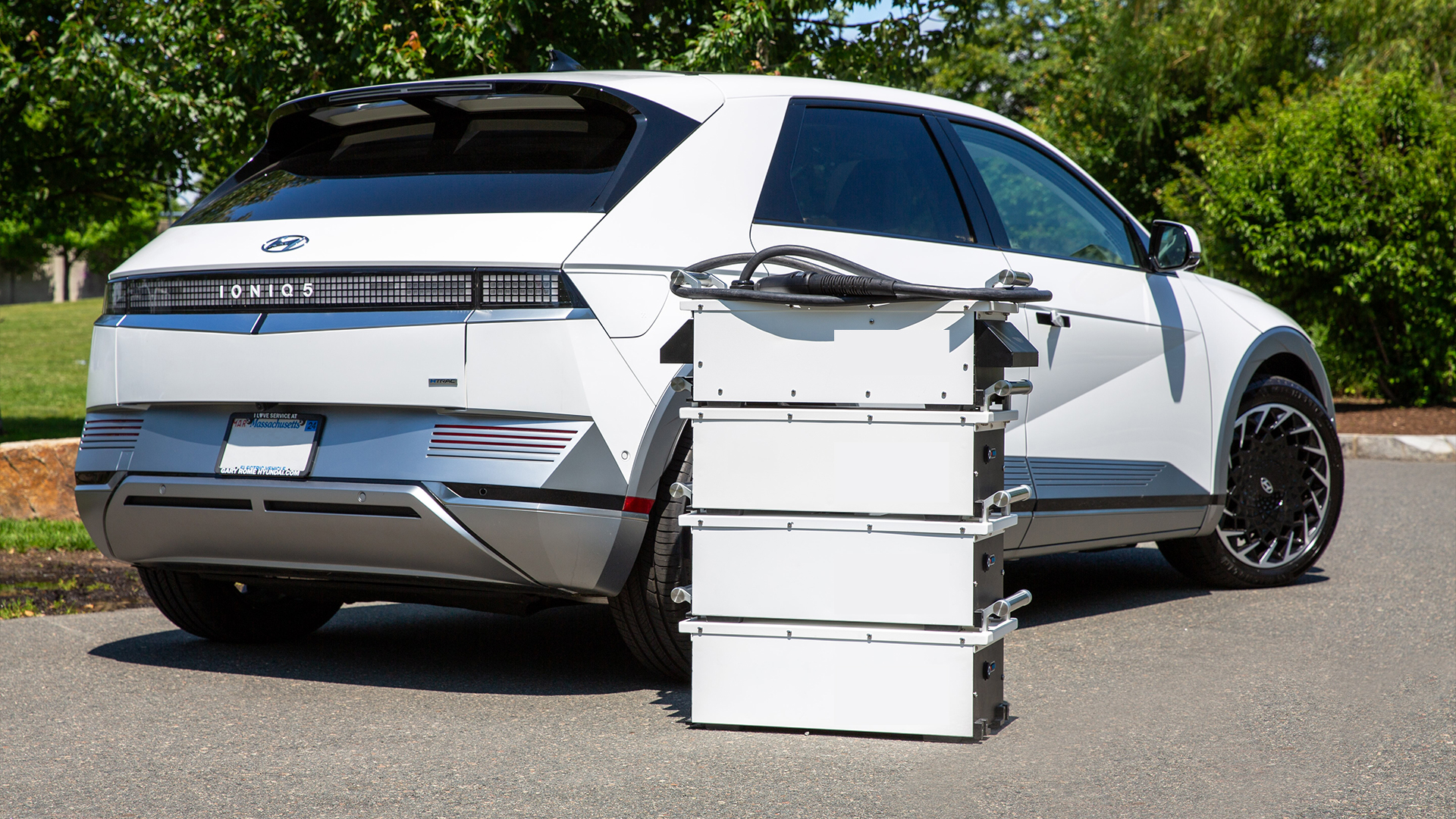
Portable EV Chargers in UAE offer convenience, safety, and flexibility when used correctly. They are ideal as backup options, travel companions, and temporary solutions during installation delays. However, they do not replace the speed, reliability, and long-term performance of a fixed AC home EV charger. To ensure safety and efficiency, always select high-quality devices from trusted suppliers and follow proper load management practices.
At evchargeruae, we help EV owners choose reliable home charging solutions – whether portable chargers, AC home chargers, or full EV charging installations tailored for UAE conditions. Our experts support users with guidance, product selection, and safe installation practices.
Ready to upgrade your EV charging experience?
Contact evchargeruae today for expert recommendations
Explore safe, high-quality charging solutions for your home or business


https://shorturl.fm/wmk1V
https://shorturl.fm/Y4238